Mold removal guide
What mold removal in Caldwell involves
Short answer: professional mold removal (mold remediation) means finding every area of growth, stopping the moisture that feeds it, sealing the work area so spores do not spread, physically removing or cleaning contaminated materials, drying the structure and confirming the space is clean afterward.
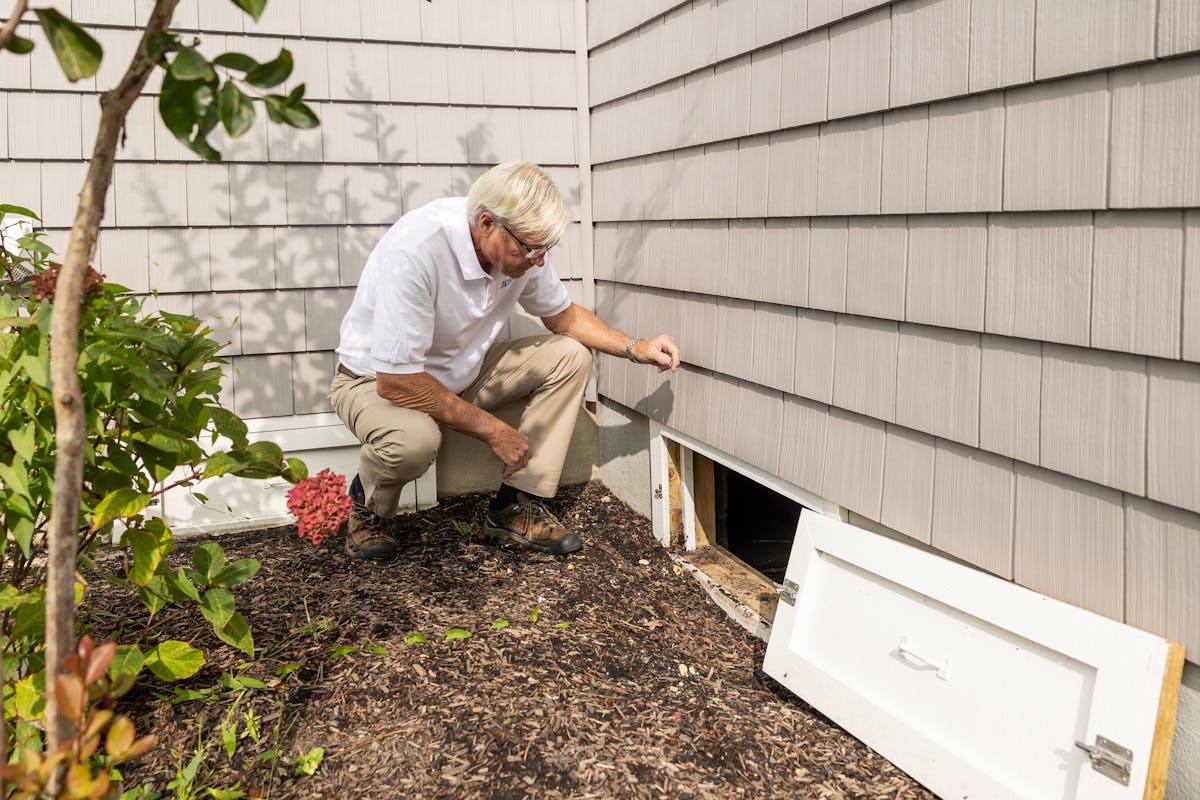
In Caldwell and the rest of Canyon County, the moisture source is often hidden: a slow drain leak in a crawl space, condensation in a cold attic, an irrigation line soaking a foundation, or a bathroom without a working exhaust fan. When you call, we will tell you whether you need a mold inspection, mold testing, a full remediation project or simply a moisture fix.
Signs you may need mold removal
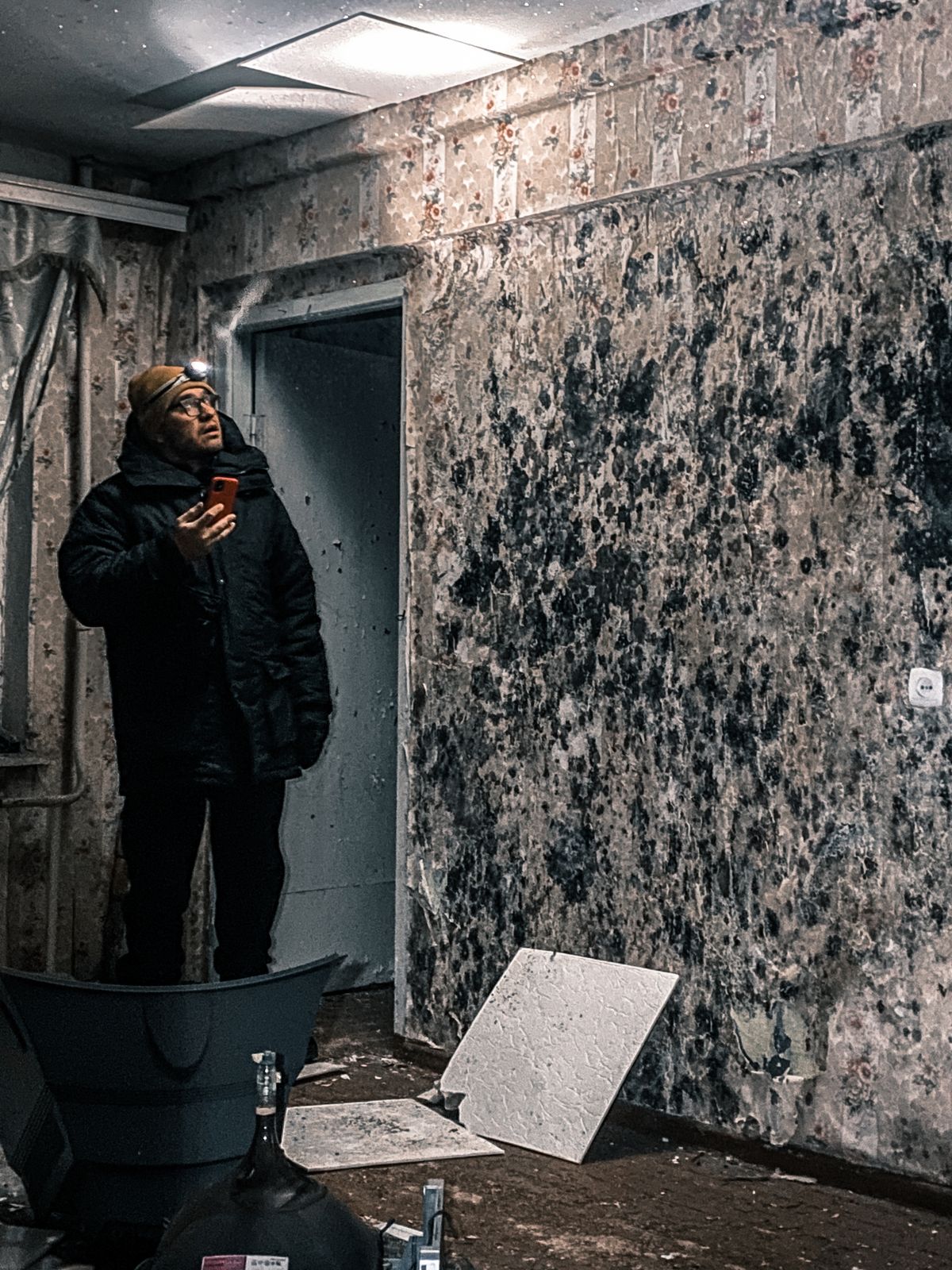
- Visible fuzzy, slimy or speckled growth that is black, green, gray, white or brown (see black mold removal)
- A persistent musty or earthy smell, especially when the furnace or AC runs (see musty odor removal)
- Water stains, peeling paint or bubbling on walls and ceilings
- Warped flooring, soft subfloor or baseboards pulling away
- Condensation on windows, pipes or ductwork that keeps coming back
- A recent leak, burst pipe or flood that was not dried professionally
- A home inspection report that mentions “microbial growth” (see mold removal for home sales)
- Allergy-like symptoms that improve when you leave the house (talk to a doctor about any health concerns)
How professional mold remediation works
| Stage | What happens | Why it matters |
|---|
| 1. Inspection & moisture mapping | Visual inspection, moisture meter and often thermal imaging to find wet materials and all affected areas. | Mold you cannot see is the mold that comes back. |
| 2. Fix the moisture source | The leak, ventilation problem or drainage issue is identified so it can be repaired. | Removing mold without fixing water guarantees regrowth. |
| 3. Containment | Plastic sheeting and negative air pressure isolate the work area. | Disturbing mold releases spores; containment keeps them in one place. |
| 4. HEPA air filtration | Air scrubbers capture airborne spores and dust during the work. | Protects occupants and clean areas of the house. |
| 5. Removal & cleaning | Porous materials with growth are removed; structural wood is cleaned, sanded or blasted. | Mold roots into porous materials and cannot be reliably cleaned off them. |
| 6. Treatment & drying | Surfaces are HEPA-vacuumed, wiped, sometimes treated or sealed, and dried to normal moisture levels. | Dry materials do not support new growth. |
| 7. Verification | Visual check and moisture readings; sometimes post-remediation clearance testing. | Confirms the job is finished before walls are closed up. |
Mold removal, mold remediation and mold cleaning: what is the difference?
Mold removal is the everyday term most people search for. Mold remediation is the industry term for the full process above: contain, remove, clean, dry and verify. Mold cleaning usually describes wiping or treating small surface spots. Whatever you call it, the outcome you want is the same: active growth gone, the moisture source fixed and the space safe to use.
Can you remove mold yourself?
Sometimes. The U.S. Environmental Protection Agency’s guide A Brief Guide to Mold, Moisture and Your Home says a homeowner can often clean a moldy area of about 10 square feet or less on hard surfaces, and that wet materials should be dried within 24 to 48 hours to prevent growth. It recommends professional help when water damage is extensive, mold covers more than about 10 square feet, or the water came from sewage or another contaminated source.
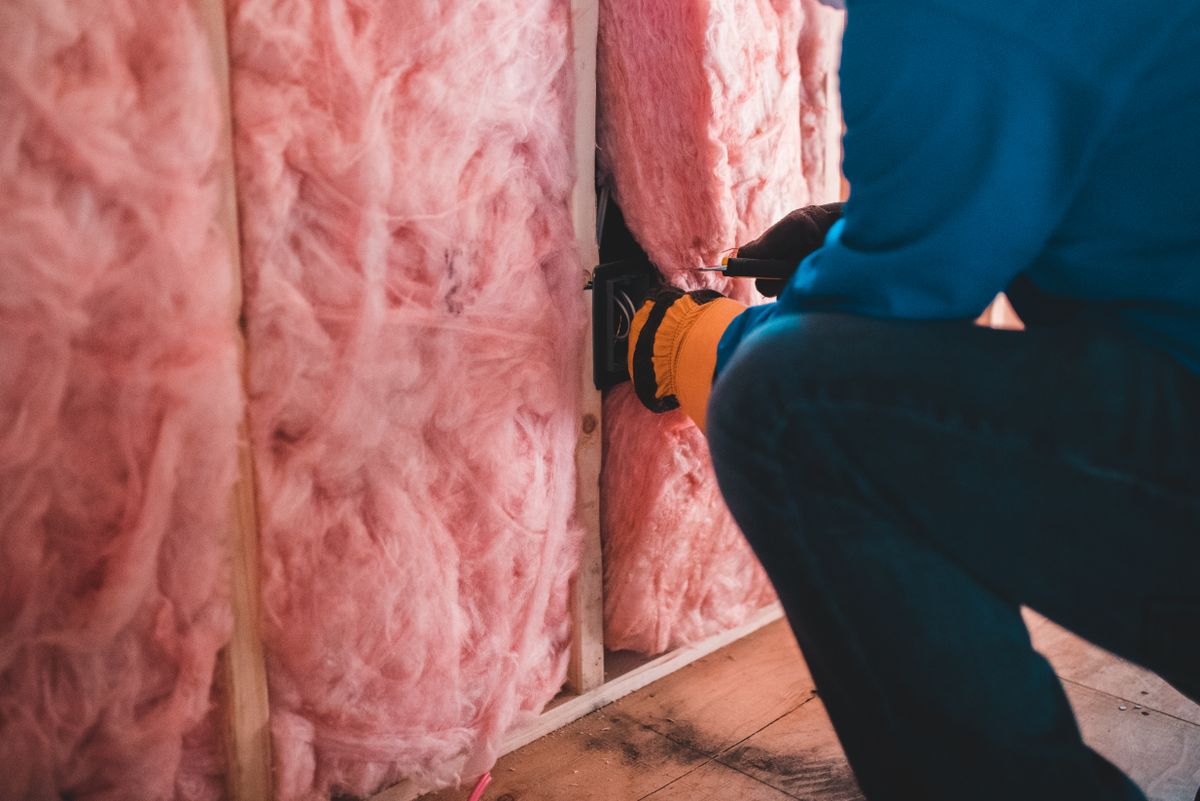
It is also worth calling a professional when mold is inside walls, in HVAC ductwork, in a crawl space or attic you cannot safely work in, when someone in the home has health concerns, or when you need documentation for a sale or insurance claim. For urgent situations, see emergency mold help. Businesses and landlords can read about commercial mold remediation.