
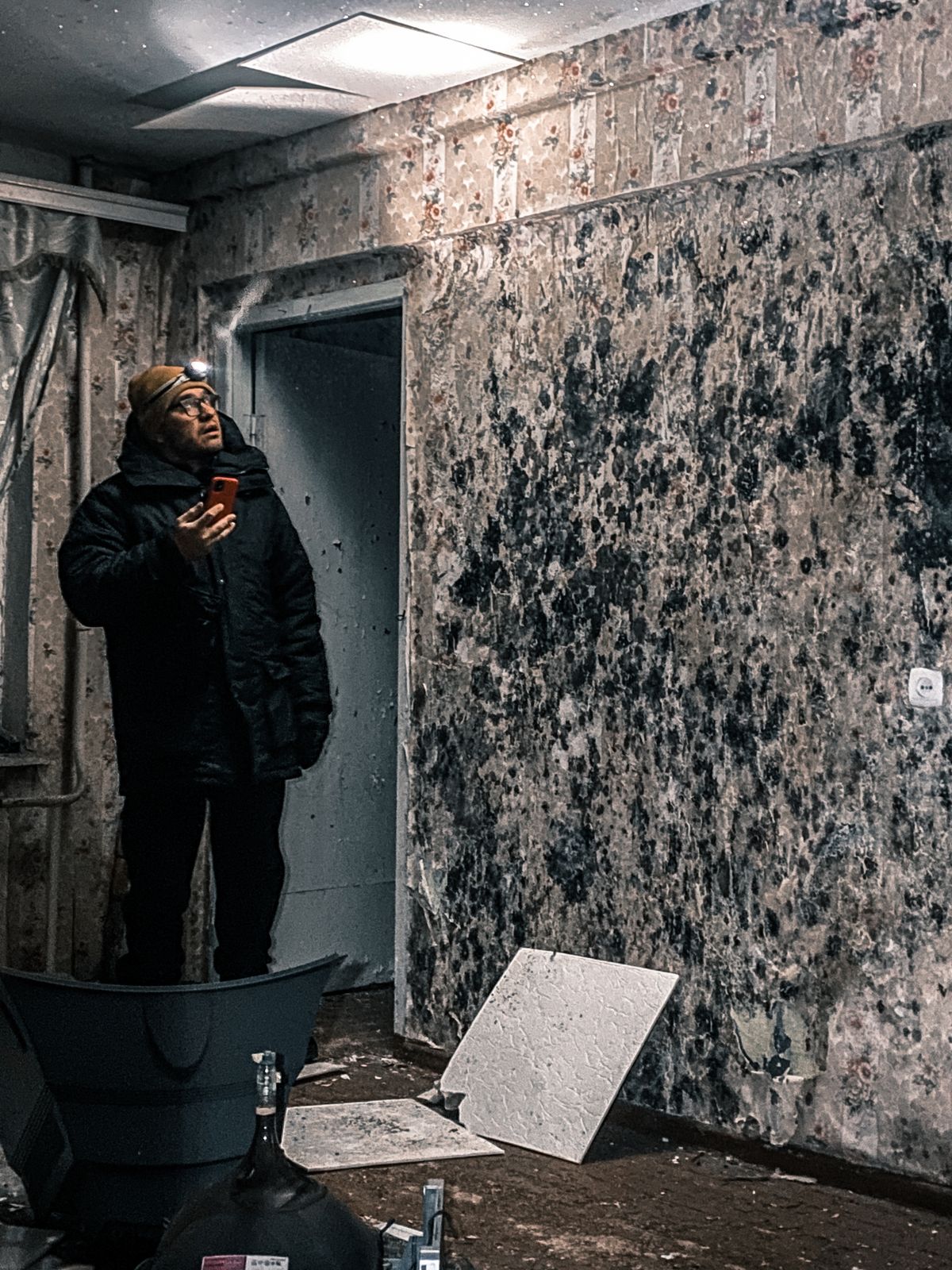
What a mold inspection is
In short: a mold inspection is an on-site assessment of a building for visible mold, hidden mold and the conditions that cause it. It is the step that tells you whether you need cleaning, full remediation, testing or just a moisture repair.
Most inspections are visual and instrument-based. The inspector looks at the areas you are worried about and the places mold commonly hides, then uses tools to find moisture you cannot see. Lab sampling is only one part of some inspections, and a good inspector will explain when it is useful and when it is not (see mold testing).
When to schedule a mold inspection
- You smell a musty odor but cannot find any visible mold
- You had a leak, burst pipe or flood, even if it seemed to dry out
- Stains, bubbling paint or warped flooring have appeared
- You are buying or selling a home and want to know what is in the crawl space or attic
- Mold was removed before and you want to confirm it has not returned
- Someone in the household has symptoms that seem worse at home (speak with a doctor about health questions)
What the inspector checks in a Caldwell home
Inspectors focus on the places local homes tend to get wet. In Caldwell that usually means:
- Crawl space: vapor barrier condition, standing water, wet insulation and staining on joists and subfloor. Problems here are covered on our crawl space mold removal page.
- Attic: roof sheathing, nails that frost or rust, vent paths and where bath fans actually discharge.
- Wet rooms: under sinks, behind toilets and washing machines, around showers and water heaters.
- Exterior drainage: grading, gutters, downspouts and sprinkler or irrigation spray against the foundation.
- HVAC: the air handler, drain pan and supply registers if odors seem to come through the vents.
Tools commonly used
Moisture meters measure water content in drywall and wood. Thermal (infrared) cameras show temperature differences that can point to wet areas behind surfaces. Hygrometers measure relative humidity. Borescopes let an inspector look inside a wall cavity through a small hole. Not every inspection needs every tool; we will tell you what we plan to use and why.
What you get after the inspection
A useful inspection ends with clear answers: where the mold is, roughly how much there is, what caused it and what the inspector recommends. We include photos and moisture readings, which are helpful for insurance conversations or a real estate transaction. If the recommendation is removal, the next step is a remediation plan, which is the heart of mold removal in Caldwell.
Some homeowners prefer a separate inspection before any removal work; others prefer one team to handle both. Either way, we explain the reasoning behind every recommendation so you can decide.
Mold inspection vs. home inspection
A general home inspection during a sale may note “possible microbial growth”, but home inspectors usually do not trace moisture sources or define the extent of mold. A dedicated mold inspection goes further. If your buyer’s inspection flagged mold, our page on mold removal for home sales explains how to respond.
